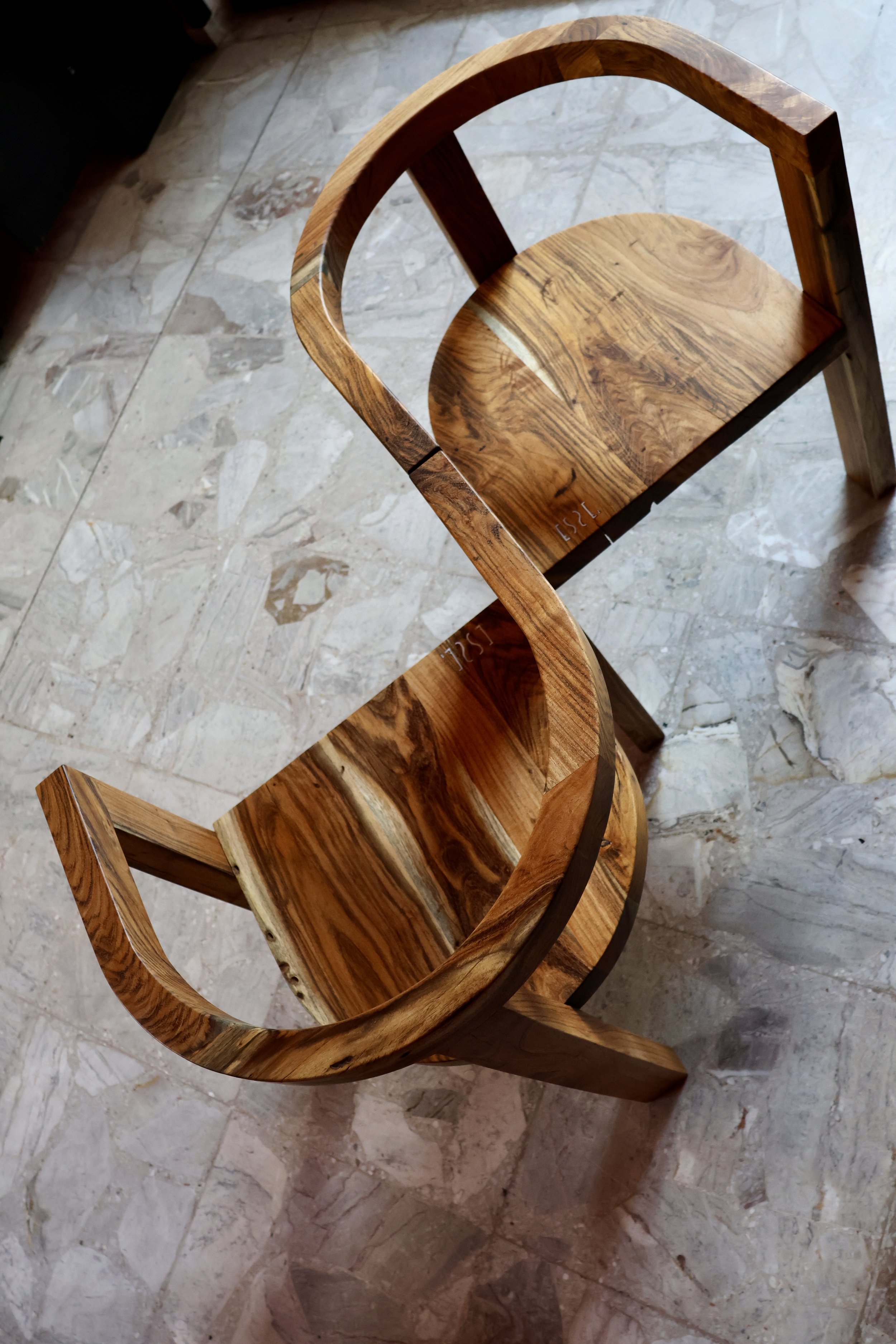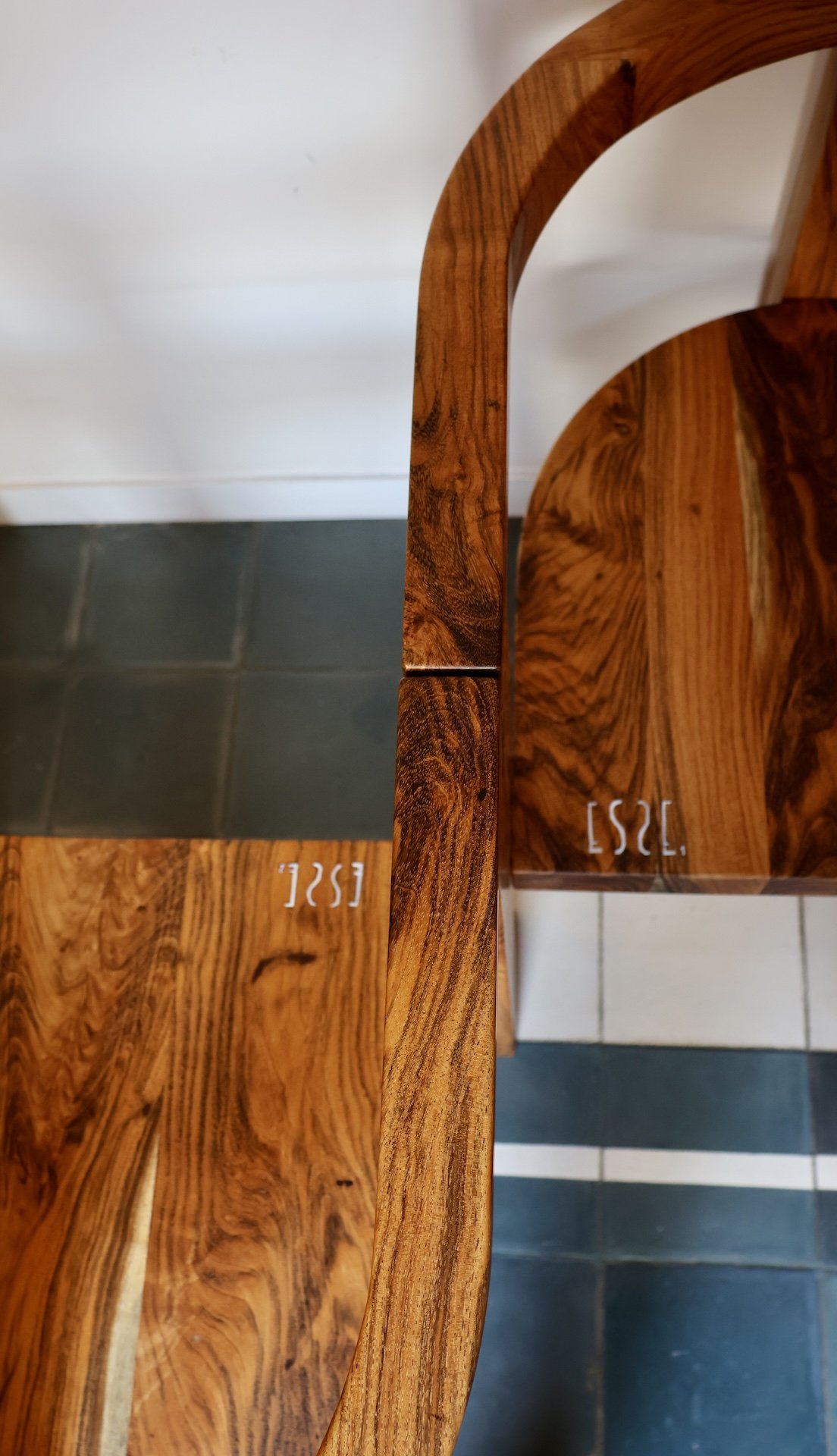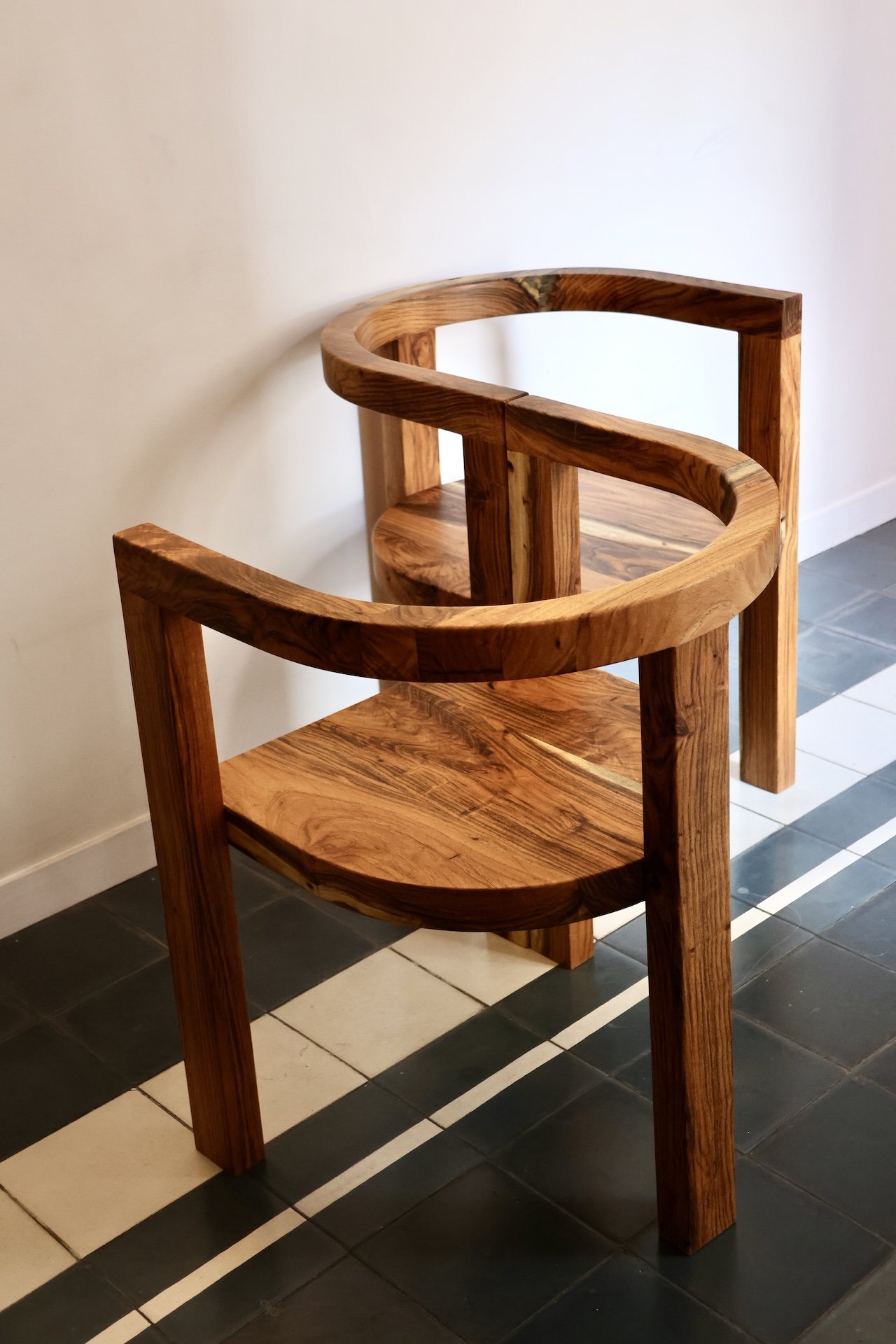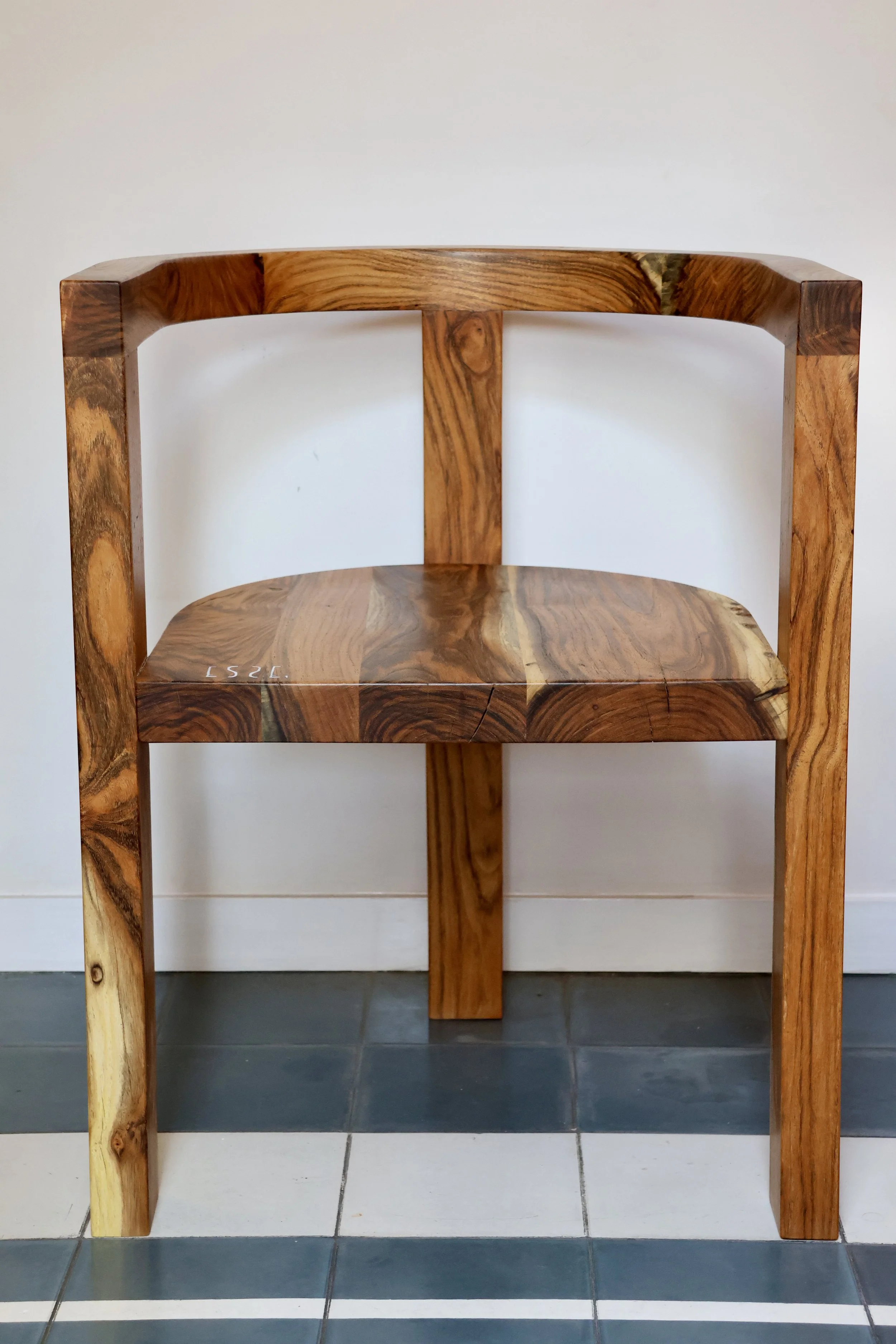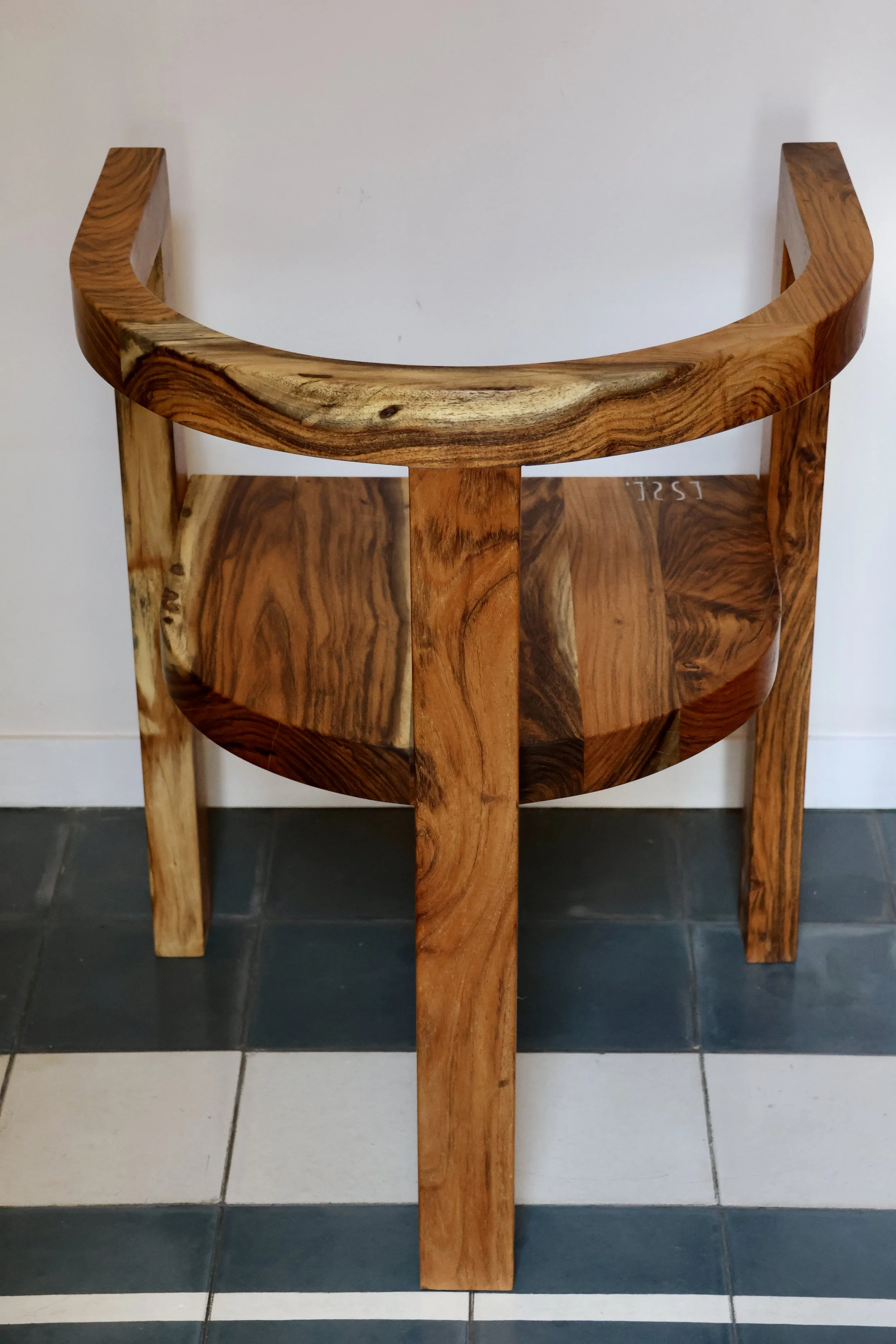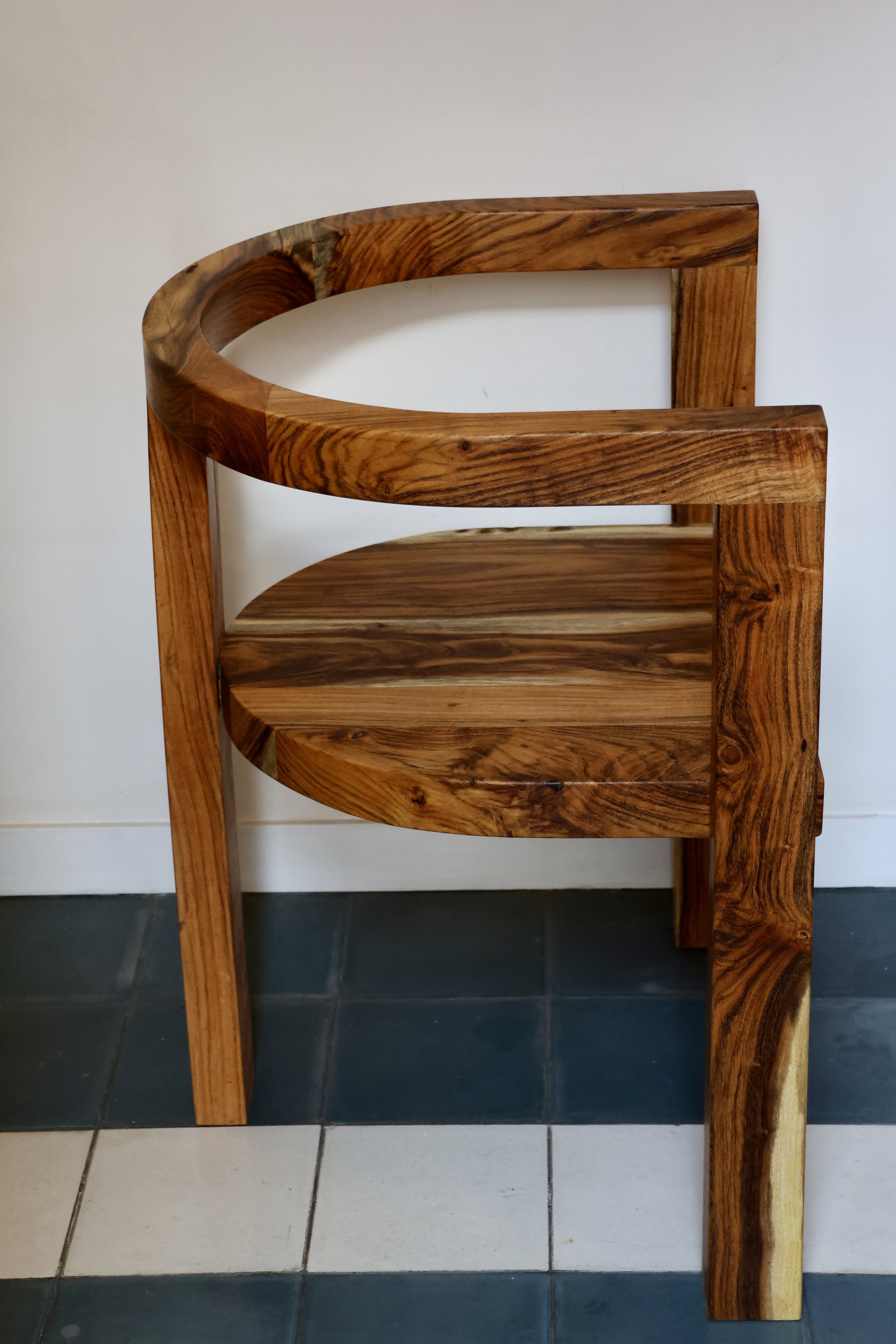
These two chairs are a direct consequence of an irreversible transformation of the landscape. They were crafted from a forty-year-old huaje tree, that fell during the clearing of a natural area for the construction of a deep well intended to supply water to a new settlement on the shores of Lake Chapala.
Initially, the project was an act of resistance: to prevent the fallen tree from being abandoned, reduced to organic waste. The root was salvaged, and the wood from the trunk was extracted to construct these two chairs, confronting an extremely hard material, capable of even producing sparks when worked, as a physical reminder of the violence of the extraction process.
A way of making visible, through design, the sacrifice of a tree, the expropriation of a space, and the constant extraction of resources that sustains the unchecked development of populations.
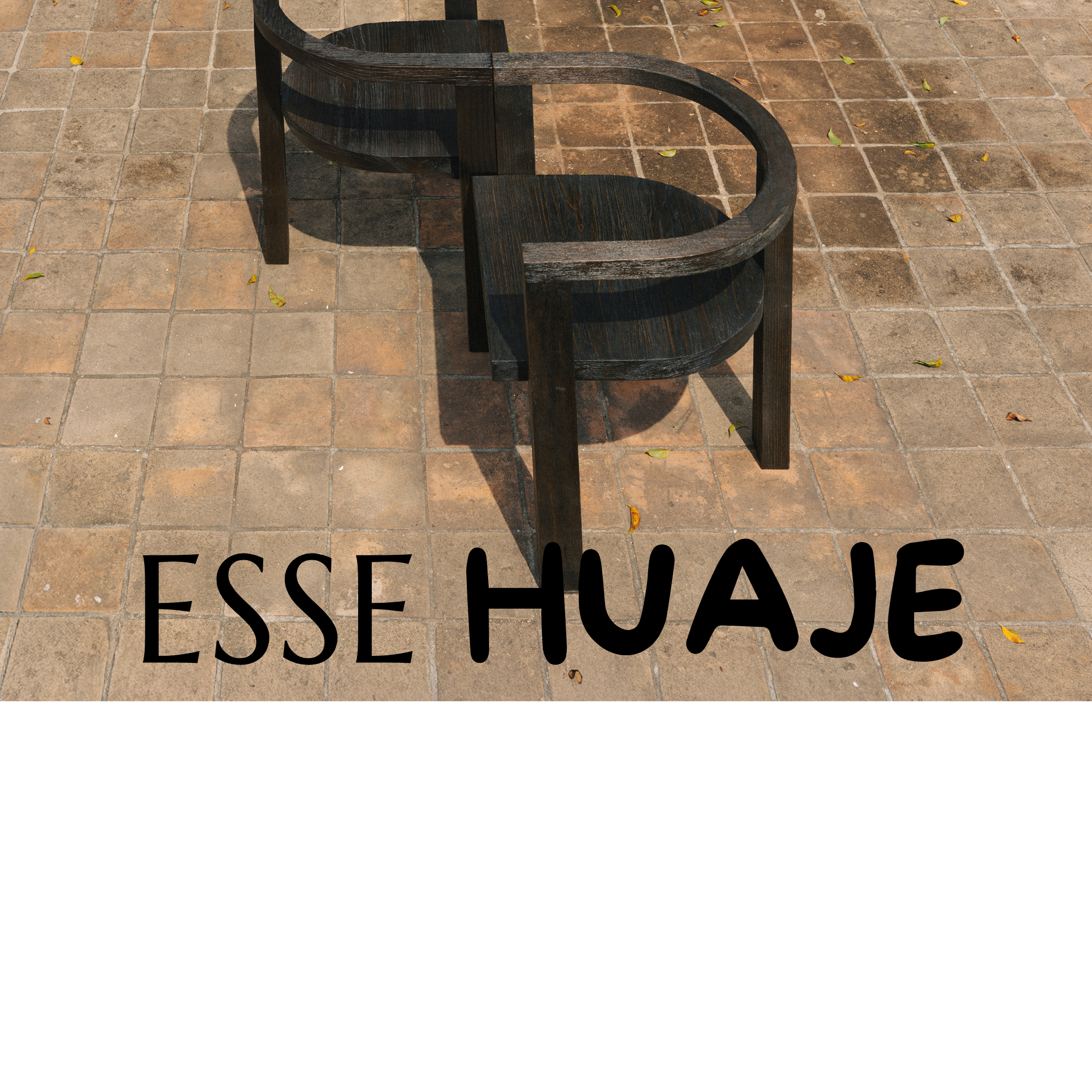
Formally, the two chairs are placed facing each other, forming an “S” shape. This arrangement proposes a direct encounter between those who occupy them: to sit is to look the other in the eye, to accept the discomfort of dialogue, and to acknowledge that the problem is real, close, and shared.